
A Worried Owner in the Waiting Room
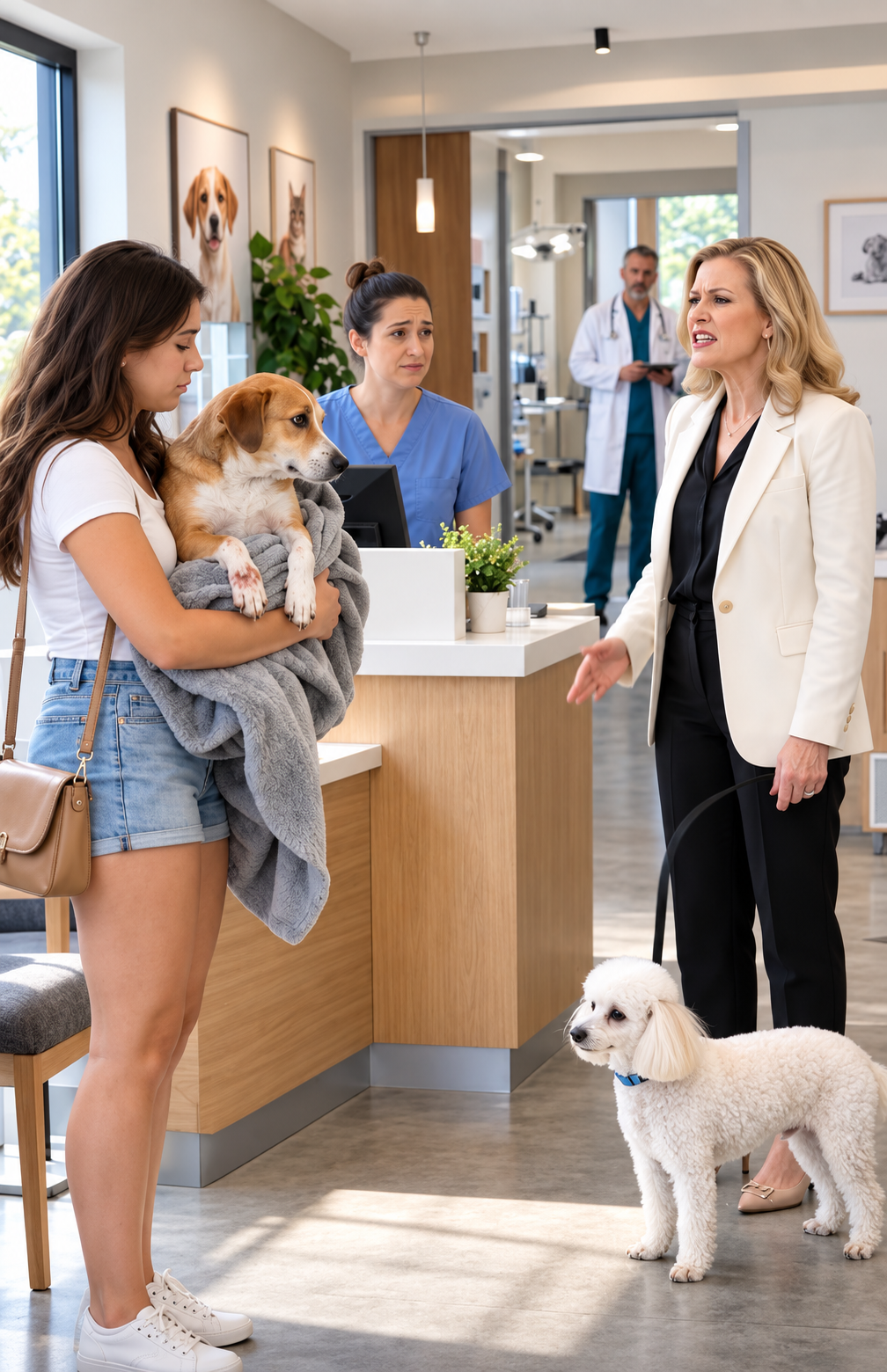
Emily Carter held her small terrier, Milo, against her chest as the veterinary clinic opened.
The little dog usually greeted strangers with excited movements and an endlessly wagging tail.
That morning, however, he remained unusually quiet beneath his favorite blue blanket.
Emily had noticed something wrong after Milo refused his breakfast and struggled to climb the stairs.
She had called the clinic immediately, explaining that his behavior had changed overnight.
Now she sat near the reception desk, carefully supporting his small body.
Dr. Daniel Foster entered the waiting room after reviewing the information provided by the receptionist.
He approached slowly and asked Emily to explain what had happened.
She described Milo’s unusual movements and mentioned something she had discovered beneath his bed.
Daniel listened carefully before asking whether she had brought the object with her.
Emily opened her handbag and removed a small plastic container.
Inside was a broken piece of a rubber dog toy.
The Morning Everything Changed
Milo had lived with Emily for almost seven years, becoming her constant companion after retirement.
He enjoyed short neighborhood walks, afternoon naps, and playing with a bright orange rubber ball.
The previous evening, Emily had noticed him chewing the ball beside the living room sofa.
She had briefly left the room to answer a telephone call.
When she returned, Milo was resting quietly, and the toy had disappeared beneath his bed.
Emily assumed he had finished playing and thought nothing more about it.
However, Milo refused his usual evening treat and appeared uncomfortable when lying down.
By morning, he had become noticeably less active.
Emily searched his sleeping area and discovered that a large section of the rubber ball was missing.
She worried that Milo might have swallowed part of it.
Daniel examined the fragment and asked whether Milo had vomited or passed stool normally.
Emily explained that he had vomited once during the night.
The veterinarian recognized that the combination of symptoms required prompt investigation.
He invited Emily into an examination room while a veterinary nurse prepared the necessary equipment.
The Examination Reveals a Concern
Daniel placed a soft towel on the examination table before asking Emily to set Milo down.
The little terrier stood cautiously, keeping his head lowered.
Daniel checked his temperature, heart rate, hydration, and general condition.
He then gently examined Milo’s abdomen, watching for signs of discomfort.
Milo reacted when Daniel applied light pressure near his stomach.
The veterinarian explained that swallowed toy fragments could sometimes obstruct the digestive tract.
However, the symptoms alone could not confirm whether an obstruction was present.
He recommended abdominal imaging and blood tests to investigate further.
Emily agreed, although she worried about what the results might reveal.
Veterinary nurse Sarah helped position Milo for the imaging procedure.
Daniel explained that some rubber materials were difficult to identify directly on X-rays.
The images could still reveal changes suggesting that material was blocking normal digestion.
When the results appeared, Daniel studied them carefully.
One section of Milo’s intestine looked unusually enlarged.
The findings raised concern about a possible obstruction, but additional imaging was necessary.
Daniel recommended an ultrasound examination to better understand what was happening.
Emily nodded and asked whether Milo would need surgery.
A Decision That Could Not Wait
The ultrasound examination revealed a suspicious object inside Milo’s small intestine.
Daniel explained that its location and the surrounding changes suggested a mechanical obstruction.
The findings were consistent with Emily’s suspicion that Milo had swallowed part of his toy.
Unfortunately, the object did not appear likely to pass safely on its own.
Daniel recommended surgery to remove it before further complications developed.
Emily looked toward Milo, who rested quietly on a padded examination mat.
She asked whether there were any reasonable alternatives.
Daniel explained the available options and why surgery offered the most appropriate treatment.
He also discussed anesthesia, potential complications, and the importance of monitoring Milo afterward.
Emily took several moments to consider the information before giving her consent.
Sarah helped prepare Milo while Daniel reviewed the surgical plan with his team.
Before they took him into the treatment area, Emily gently stroked his head.
She promised that she would be waiting when he woke up.
Daniel assured her that the team would provide updates as soon as possible.
Then Milo was carried through the treatment room doors.
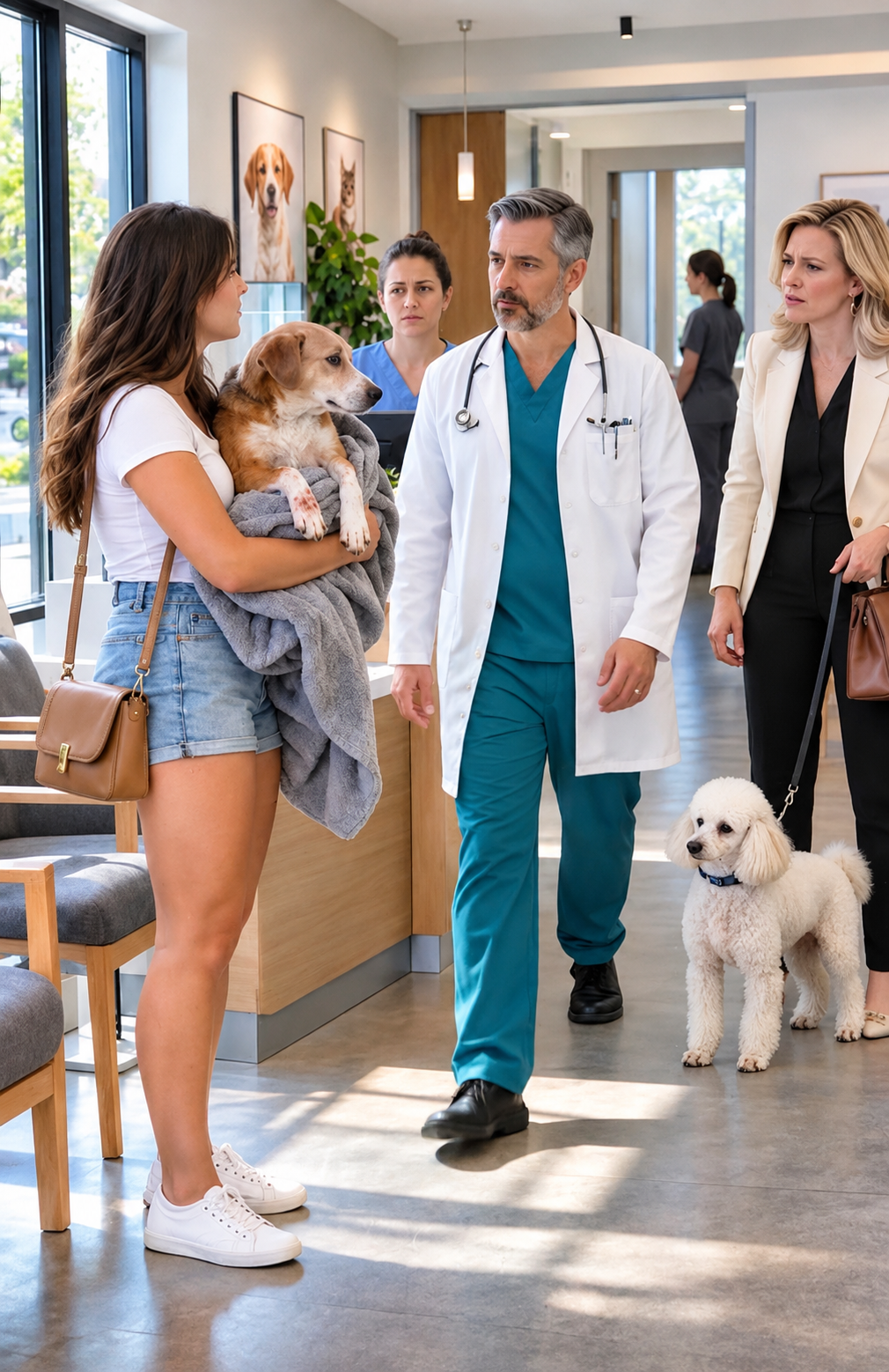
Emily returned to the waiting area, holding the little blue blanket in her hands.
The Procedure That Helped Milo
Daniel and his surgical team carefully monitored Milo throughout the procedure.
After accessing the affected section of intestine, Daniel located the obstruction.
It was a piece of orange rubber matching the damaged toy Emily had brought.
The fragment had become lodged inside the intestine, preventing normal movement of its contents.
Daniel examined the surrounding tissue before removing the object through a controlled surgical opening.
Fortunately, the affected intestine appeared viable and did not require removal.
He closed the incision and checked the surgical area before completing the procedure.
The veterinary team then transferred Milo to recovery for close monitoring.
Sarah remained nearby as he gradually awakened from anesthesia.
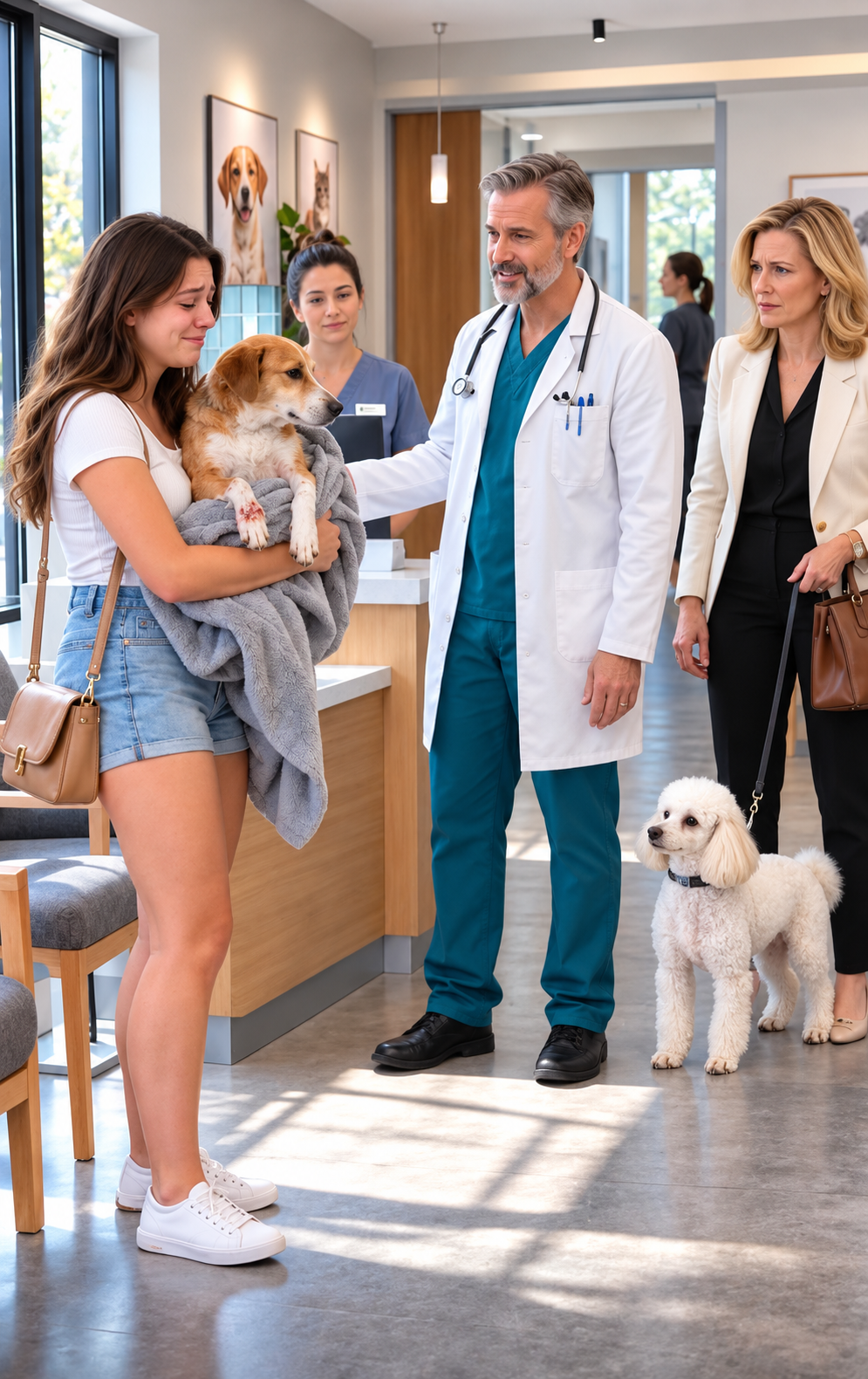
Once Milo was stable, Daniel returned to the waiting room to speak with Emily.
He explained that the rubber fragment had been successfully removed.
Emily covered her mouth with one hand as she listened.
Daniel cautioned that Milo still needed observation because complications could develop after intestinal surgery.
Nevertheless, the procedure had addressed the obstruction identified during the examination.
Emily thanked him and asked when she could see her dog.
Daniel arranged a brief visit once Milo was sufficiently awake and comfortable.
A Familiar Voice in the Recovery Room
Emily entered the recovery area with Sarah beside her.
Milo rested inside a warm kennel, receiving fluids and prescribed medication.
He lifted his head slightly when Emily spoke his name.
She knelt beside the kennel and gently touched his shoulder.
Milo responded with a small movement of his tail.
It was the first familiar reaction Emily had seen since the previous evening.
Sarah explained that Milo would remain hospitalized while the team monitored his recovery.
They would watch for discomfort, vomiting, changes in temperature, and other possible complications.
Emily understood that the next several days were important.
Before leaving, she placed the clean blue blanket where the staff could use it safely.
The following morning, Daniel called with an encouraging update.
Milo was more alert and had begun tolerating small amounts of food under supervision.
His condition continued improving during the next two days.
After confirming that he was recovering appropriately, Daniel discussed discharge instructions with Emily.
He explained the medication schedule, feeding plan, activity restrictions, and warning signs requiring immediate attention.
Emily carefully wrote everything down.
She also arranged a follow-up appointment before taking Milo home.
The Little Dog Returns Home
Milo spent his first evening home resting in a quiet corner of Emily’s living room.
She replaced his old toys with veterinarian-approved alternatives suitable for his chewing habits.
The damaged orange ball remained inside a sealed bag as a reminder of the incident.
Emily followed the prescribed feeding schedule and monitored Milo’s recovery carefully.
During his follow-up examination, Daniel confirmed that the surgical incision was healing appropriately.
Milo had regained much of his usual interest in food and familiar surroundings.
Emily was relieved, although she continued following the recommended activity restrictions.
Several weeks later, Milo returned for another checkup and received an encouraging assessment.
Daniel explained that his recovery had progressed well, without the complications they had monitored for.
Emily thanked the clinic staff for explaining each decision throughout the treatment.
This fictional story began with a worried woman holding her unusually quiet dog.
A broken toy provided an important clue, while veterinary examinations revealed the underlying problem.
The surgical team removed the obstruction, and Milo recovered with continued care.
Emily also learned to inspect his toys regularly and remove damaged items promptly.
Most importantly, she recognized how quickly changes in an animal’s normal behavior could become significant.
For Emily, seeing Milo happily wag his tail again was a small moment that meant more than words could express.