

Growing older is something every person experiences. Along with the physical changes that naturally happen over time, certain habits and behaviors can also begin to appear.
Most of the time, people around us notice these habits but rarely point them out. They may stay silent out of respect or simply because they don’t want to hurt someone’s feelings.
However, being aware of these behaviors can help maintain stronger relationships with family, friends, and the people we interact with every day.
Here are some habits that people sometimes develop as they grow older.
1. Complaining Too Often
As people age, health concerns and everyday discomfort can become more common. Talking about those issues with loved ones is completely normal.
But when conversations revolve around complaints all the time, it can sometimes become exhausting for others who care but don’t always know how to help.
2. Rejecting New Ideas
Change happens quickly in today’s world. Technology, communication, and lifestyles evolve constantly.
Some older adults may feel uncomfortable with these changes and prefer things the way they used to be. While that feeling is understandable, staying open to new ideas can make life more enjoyable and conversations more engaging.
3. Interrupting Conversations
Experience brings wisdom, but it can sometimes also create the feeling of already knowing the answer.
Interrupting others during conversations—especially younger family members—may happen unintentionally, but it can make people feel unheard.
Listening fully before responding often improves communication greatly.

4. Offering Advice That Wasn’t Asked For
Advice given with good intentions can still feel overwhelming if it’s offered too frequently.
Older adults often want to help based on their life experience, but sometimes people simply want to share their thoughts without receiving guidance.
Knowing when advice is welcome can make conversations smoother.
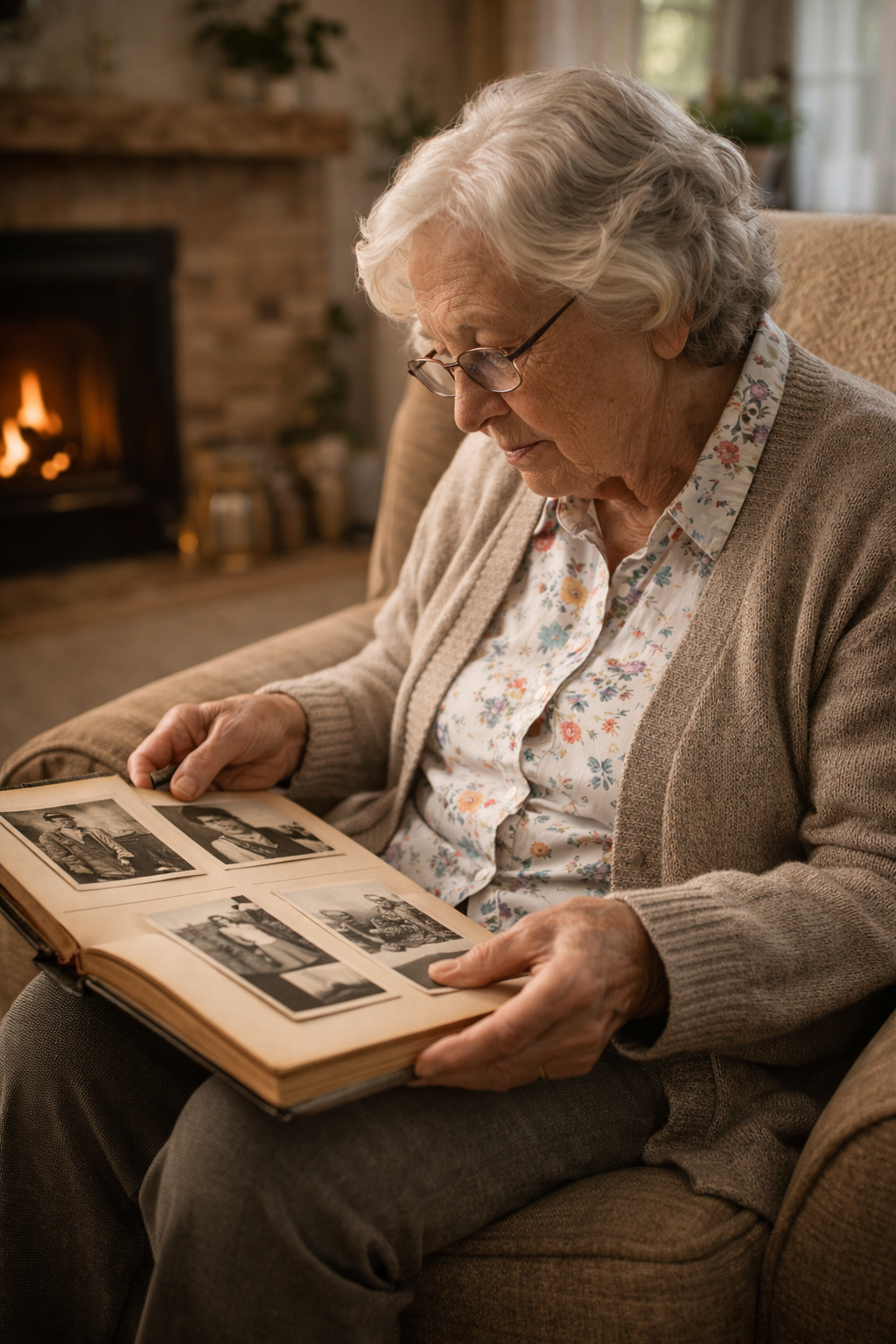
5. Talking Mostly About the Past
Memories are valuable and often bring comfort.
But if most conversations focus only on the past, it may prevent meaningful discussions about the present and future.
Balancing stories from the past with curiosity about what’s happening now can make interactions more enjoyable for everyone.
6. Becoming More Negative
Some people become more cautious or pessimistic as they age.
Life experiences, health worries, or uncertainty about the future can contribute to this mindset.
However, maintaining a positive outlook—even during difficult times—can help strengthen relationships and improve overall well-being.
7. Not Fully Listening
Sometimes older adults may seem distracted during conversations.
This may be due to hearing difficulties, fatigue, or simply trying to process information more slowly.
Patience and understanding from both sides can help prevent misunderstandings.
8. Criticizing Younger Generations
It’s common to hear statements like “things were better in my day.”
While every generation has different values and experiences, constant criticism can create unnecessary tension.
Recognizing that each generation grows up in different circumstances helps bridge that gap.
9. Ignoring Self-Care
Taking care of personal hygiene, health routines, and appearance remains important at every stage of life.
Sometimes people assume that self-care matters less as they grow older, but maintaining these habits can improve both physical and emotional well-being.
10. Using Age as an Excuse
Age brings experience, but it shouldn’t be used as a reason to behave disrespectfully toward others.
Kindness, patience, and consideration remain important qualities regardless of age.

11. Repeating the Same Stories
Many people enjoy sharing memories with family and friends.
Sometimes older adults repeat stories simply because those memories are meaningful or because they forget they’ve already told them.
While it may happen occasionally, being mindful of repetition can help keep conversations fresh.
12. Refusing to Learn Something New
Learning doesn’t stop with age.
Trying new skills, technologies, or hobbies keeps the mind active and can make life more interesting.
Even small efforts to stay curious about the world can have a positive impact.
A Final Thought
Growing older doesn’t mean becoming disconnected from the people around us.
Often, small adjustments in attitude and openness can strengthen relationships and make later years more fulfilling.
Awareness, curiosity, and a willingness to adapt can turn aging into a period of growth rather than limitation.
👉 Which of these habits have you noticed most often in everyday life?